
Choosing the right baby play mat isn’t just about finding something soft for your little one to lie on. It’s about safety, comfort, development, and—let’s be real—a touch of style for your living room. If you’ve ever scrolled endlessly through baby gear sites wondering which one to buy, this guide is for you.
Table of Contents
- Why Baby Play Mats Are a Must-Have
- Types of Baby Play Mats
- Key Features to Look for in a Baby Play Mat
- Top Rated Baby Play Mats in 2025
- How to Choose the Right Baby Play Mat for Your Needs
- Tips for Keeping Your Baby Play Mat in Top Condition
- Common Mistakes Parents Make When Buying Baby Play Mats
- Conclusion
- FAQs
- Share This Case:
Why Baby Play Mats Are a Must-Have
A baby play mat is more than just a floor covering—it’s a safe zone, a development booster, and sometimes your saving grace when you need five minutes to drink your coffee.
Developmental Benefits
Think of a play mat as your baby’s very first “classroom.” It helps with:
- Tummy time to strengthen neck and back muscles.
- Reaching and grasping skills with toys and textures.
- Cognitive stimulation through colors, patterns, and sounds.
Safety and Comfort
Babies are unpredictable. One moment they’re lying still, the next they’re rolling like tiny gymnasts. Play mats give them a cushioned, safe space for all that wiggling and rolling.
Versatility in Use
From newborn naps to toddler block building, play mats grow with your child. Some even double as picnic blankets or travel mats.
Types of Baby Play Mats
Not all mats are created equal. Let’s break them down.
Foam Play Mats
These are thick, cushioned mats made from EVA foam or similar materials. They often come as puzzle pieces you can arrange in different shapes. Perfect for hard floors.

Baby Kids Play Mat Foam
Kids Play Mat – Safe, Durable, and Customizable Floor Mats | B2B Manufacturer & Wholesale Supplier
Features
- Non-Toxic Materials
- Thick & Cushioned Design
- Waterproof & Easy to Clean
- Attractive Prints & Colors
- Foldable or Rollable Options
- OEM/ODM Support
Fabric Activity Mats
These are softer, quilted mats with hanging toys, mirrors, and crinkly textures. Great for sensory play in younger babies.
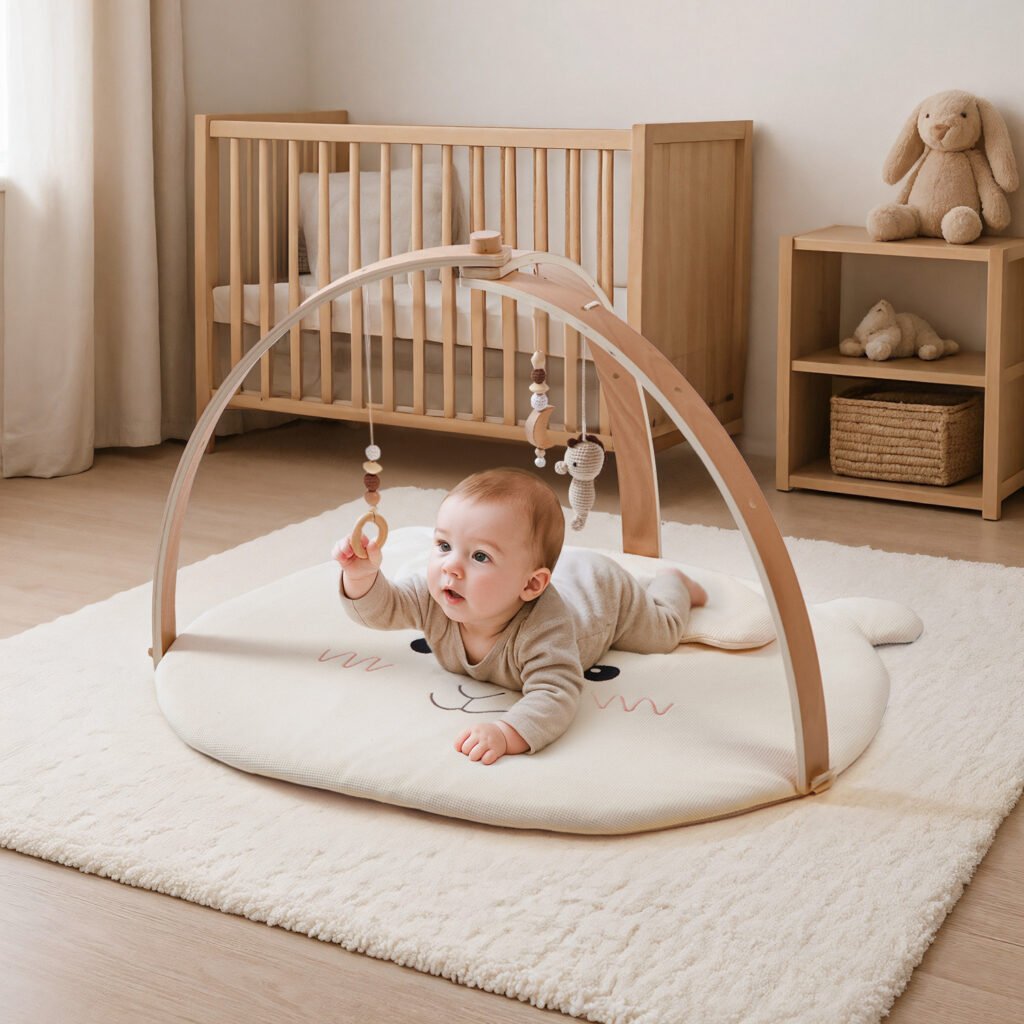
Animal Shape Infant GYM Play Mat
Animal Shape Infant Gym Play Mat – Interactive & Safe Baby Activity Mats | B2B Wholesale Manufacturer & Supplier
Features
- Interactive Play Gym
- Soft Cushioned Base
- Safe & Non-Toxic Materials
- Foldable & Travel-Friendly
- Removable Toy Arch
- Custom OEM Options
Montessori-Style Play Mats
Minimalist in design, these mats focus on natural textures and muted colors to avoid overstimulation.
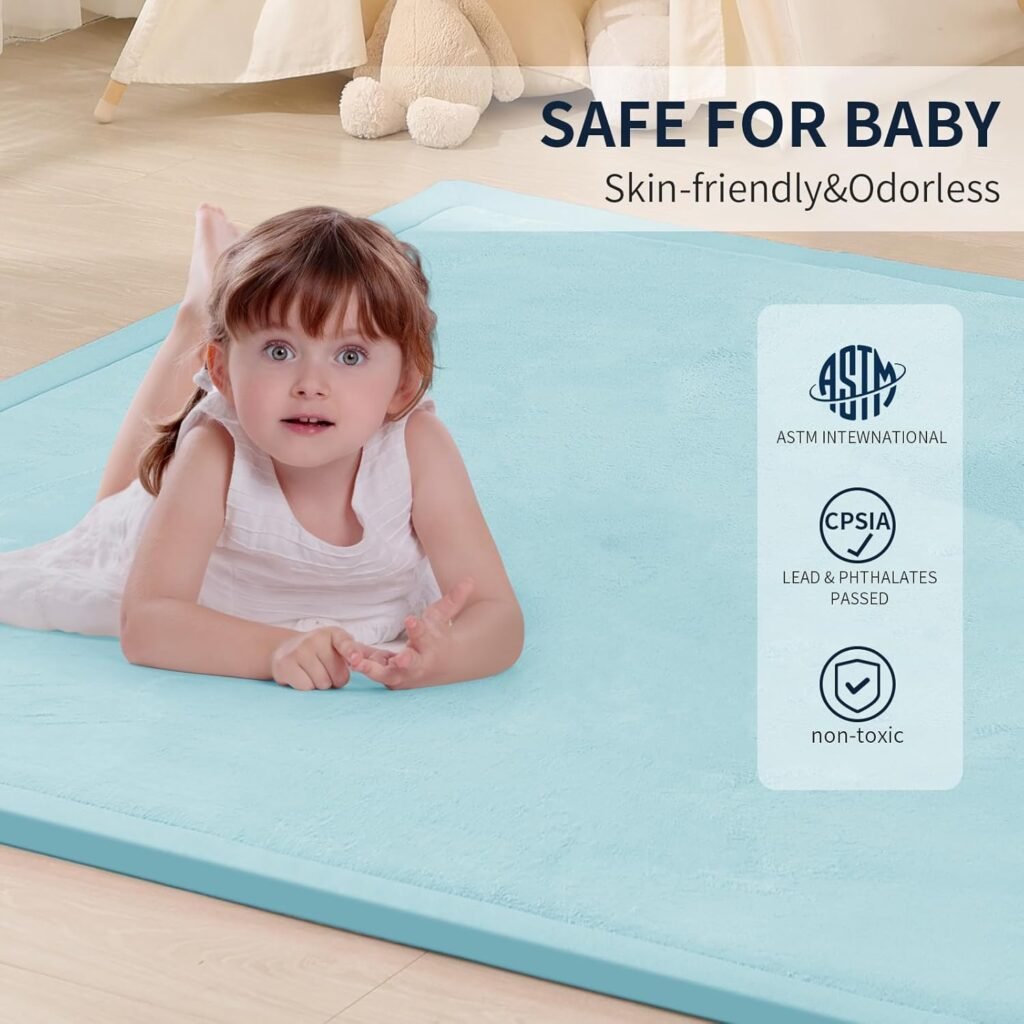
Foam Play Mat For Newborn
Foam Play Mat for Newborn – Safe, Soft, and Customizable | B2B Manufacturer & Wholesale Supplier
Features
- Baby-Safe Materials
- Thick and Cushioned Design
- Waterproof and Easy to Clean
- Attractive Prints & Colors
- Foldable or Rollable Options
- OEM/ODM Support
Foldable & Portable Mats
For parents on the go or those with limited space, these mats fold up neatly for easy storage or travel.
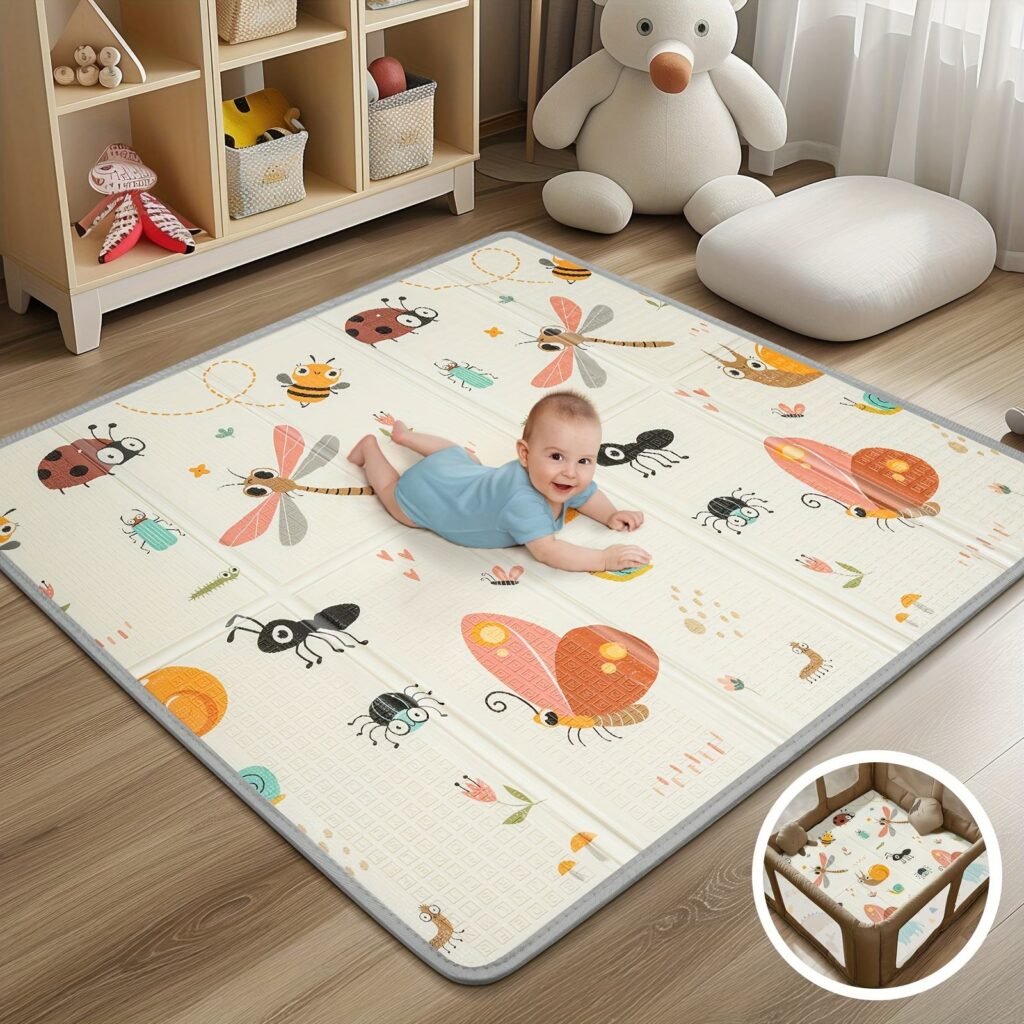
Wholesale Playpen Mat
Wholesale Playpen Mats – Designed for Safety, Comfort, and Versatility
Features
- Non-toxic & Baby-safe materials
- Thick cushioning for impact protection
- Waterproof & easy to clean
- Custom sizes & designs
- Foldable & portable options available
Key Features to Look for in a Baby Play Mat
Non-Toxic & Safe Materials
Your baby will drool, chew, and roll on it—so safety is non-negotiable. Look for BPA-free, phthalate-free, and lead-free certifications.
Easy Cleaning & Maintenance
Babies are adorable mess-makers. Choose a mat you can wipe clean or toss in the washing machine.
Size and Thickness
Bigger mats give your baby more room to explore, but make sure it fits your space. A thicker mat offers more cushioning for hardwood floors.
Visual Stimulation & Sensory Elements
Patterns, textures, and colors can spark curiosity—but avoid overly busy designs that might overwhelm your baby.
Top Rated Baby Play Mats in 2025
I’ve rounded up some of the best options based on safety, comfort, and parent reviews.
Best Overall: PlayNest Deluxe Foam Mat
Key Features
- Non-toxic EVA foam
- Reversible design
- Extra-thick for comfort
Pros & Cons
Pros: Cushy, durable, easy to clean
Cons: Puzzle edges can separate with energetic toddlers
Best for Small Spaces: CozyFold Mini Play Mat
Key Features
- Compact foldable design
- Soft waterproof surface
Pros & Cons
Pros: Portable, storage-friendly
Cons: Smaller play area
Best for Developmental Play: BrightSteps Activity Mat
Key Features
- Interactive textures and toys
- High-contrast colors for visual development
Pros & Cons
Pros: Stimulates multiple senses, machine washable
Cons: Not as thick as foam mats
Best Eco-Friendly Option: GreenNest Organic Cotton Mat
Key Features
- 100% organic cotton cover
- Plant-based foam filling
Pros & Cons
Pros: Eco-conscious, chemical-free
Cons: Higher price point
How to Choose the Right Baby Play Mat for Your Needs
Matching Your Lifestyle
If you travel often, portability matters. If you’re home most of the time, you can go for a larger, more permanent mat.
Considering Baby’s Age & Stage
Younger babies might benefit from sensory-rich activity mats, while older babies need more space to crawl and roll.
Budget vs. Quality
A good play mat is an investment. While budget options exist, prioritize safety and durability over price alone.
Tips for Keeping Your Baby Play Mat in Top Condition
Cleaning Tips
- For foam mats: Wipe daily with a baby-safe cleaner.
- For fabric mats: Wash regularly per care instructions.
Storage & Portability
Foldable mats are easy to tuck away, while modular foam mats can be stacked neatly.
Common Mistakes Parents Make When Buying Baby Play Mats
Ignoring Material Safety
Some mats contain harmful chemicals—always check certifications.
Choosing Style Over Function
A pretty mat is nice, but safety and comfort should come first.
Conclusion
A top-rated baby play mat isn’t just about looks—it’s about creating a safe, fun, and developmental space for your little one. Whether you choose a cushy foam mat or a sensory-rich fabric mat, the best choice is the one that fits your lifestyle, your space, and your baby’s needs.
FAQs
1. When should I start using a baby play mat?
From birth—newborns can use it for supervised tummy time.
2. How often should I clean my baby’s play mat?
Ideally after every use, especially if your baby spits up or drools.
3. Are foam mats safe for teething babies?
Yes, as long as they are made from certified non-toxic materials.
4. Can I use a play mat outdoors?
Some mats are designed for both indoor and outdoor use—check the label.
5. What size mat is best?
For most homes, a medium-sized mat (around 70×70 inches) works well, but adjust based on your space.


